
Randoseru Backpacks: Durable Design Meets Turkish Craftsmanship
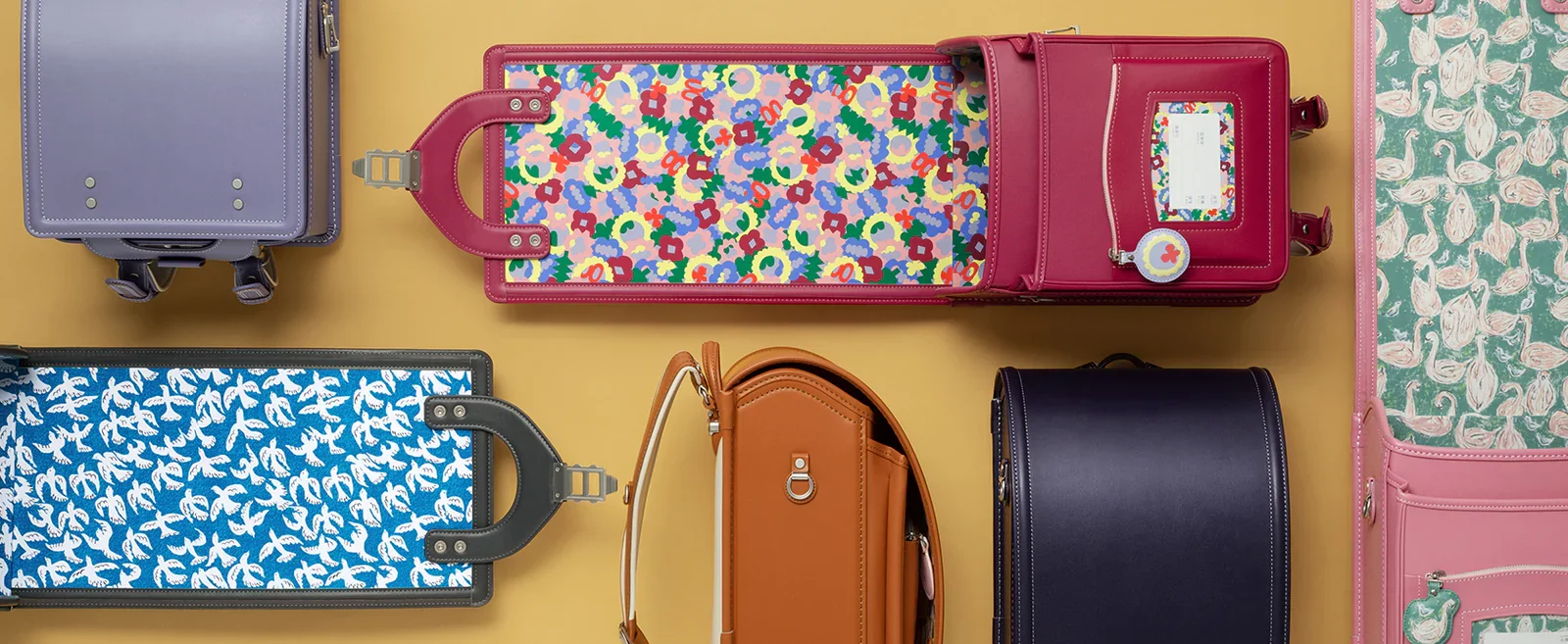
Tsuchiya Kaban is a leading Japanese Randoseru atelier.
Why the Japanese Randoseru—and Turkish Craftsmanship—Are Worth Choosing
In an age of fast fashion and disposable everything, the school backpack is often overlooked as a quiet contributor to waste and overconsumption. Each September, families around the world purchase yet another bag to replace the one that didn’t survive the school year with torn zippers, broken straps, or poor construction finally giving out.
But what if the backpack didn’t need to be replaced? What if, instead, it was built to last, not just physically, but emotionally, symbolically, and even safely?
Enter the Randoseru, Japan’s iconic school bag. More than just a cultural relic, it’s a forward-thinking, design-conscious product that’s now inspiring a global conversation about sustainability, tradition, and resilience and one that Türkiye’s own artisans are uniquely positioned to be part of.
Built to Last: A Backpack That Grows with You

The Randoseru (ランボセル) is no ordinary school bag. Traditionally made from leather or durable synthetic leather, it’s engineered to last for the full six years of Japanese elementary school.
Its hallmark is a boxy, rigid structure, which isn’t just aesthetic—it distributes weight evenly across the child’s back, protecting posture and reducing fatigue. Ergonomic, curved straps adjust over time to the child’s body. Many models include water-resistant materials, sturdy stitching, and reflective safety elements for visibility on dark winter mornings.
And then there are the modern upgrades. Some Randoseru models now come with emergency features such as:
Earthquake Shields – The sturdy structure can double as a protective shield over the head during tremors, an important feature in earthquake-prone Japan.
Flotation Devices – Certain models include buoyant materials or even removable cushions that can help children stay afloat in case of flooding or other water emergencies.
In other words, the Randoseru is not just thoughtful, it’s potentially life-saving.
More Than Just a Bag: A Cultural Icon
In Japan, the Randoseru is also a deeply emotional object. It's often gifted by grandparents or parents when a child begins first grade, symbolizing the start of their educational journey. These bags aren’t chosen lightly, they’re carefully selected, often engraved with the child’s name, and expected to accompany them through years of growth, learning, and change.
This practice teaches children to care for their belongings, value quality, and embrace tradition. Over time, the bag becomes a cherished item, a physical archive of school memories, lunchbox notes, and rainy walks home.
A Turkish Opportunity: Local Craftsmanship Meets Global Design

While the Randoseru has its origins in Japan, its principles resonate far beyond. In Türkiye, we have our own longstanding tradition of craftsmanship—from saddle-makers in Anatolia to fine leatherworkers in Istanbul and Gaziantep.
So here’s the opportunity: by combining the structural design of the Randoseru with Turkish materials and craftsmanship, we can create something even more meaningful—backpacks that are:
Locally made
Eco-conscious
Ergonomic and safe
Rich in cultural identity
Built to last for years—not months
Imagine a structured, posture-supporting school bag made of vegetable-tanned Turkish leather, lined with woven Anatolian textiles, and assembled by local artisans using sustainable practices. Imagine if it came with earthquake shielding and flotation panels, not as a novelty, but as a standard safety feature.
Beyond the Backpack: Teaching Values through Design
When you buy cheap, you buy twice or more. A backpack that falls apart each school year isn’t just a waste of money; it’s a waste of resources. Worse, it normalizes a disposable mindset in the next generation.
By choosing a well-made, long-lasting school bag—especially one that supports local economies—we teach children to value longevity, sustainability, and community.
We also support creative artisans who are increasingly under threat from fast, cheap imports. Reviving and modernizing Turkish craftsmanship for a new era isn’t about nostalgia, it’s about relevance.
Where Tradition and Innovation Meet
The Japanese Randoseru is a perfect example of how thoughtful design can become a cultural symbol. But what if Turkey could offer its own version—one that fused Japanese engineering with Turkish soul?
Designers, families, and educational communities have a role to play here. If you're a parent looking for a better backpack, a brand looking to produce locally, or simply someone who believes in smarter consumption—this is your invitation to rethink the school bag.
Final Thoughts: The Bag That Carries More Than Books
The Randoseru is more than a backpack. It carries not just notebooks and lunch boxes, but a philosophy:
That children deserve safe, ergonomic, and emotionally meaningful products.
That sustainability is not a luxury, but a necessity.
That we can honour tradition while designing for the future.
By embracing this ethos—and reimagining it through local Turkish hands—we can do more than import a good idea. We can build one that lasts.
Selam Recommendation
Support local. Think long-term. Choose quality. Whether it’s a Randoseru or its Turkish counterpart, your child’s backpack can be more than a school supply, it can be a daily reminder of what we value.